
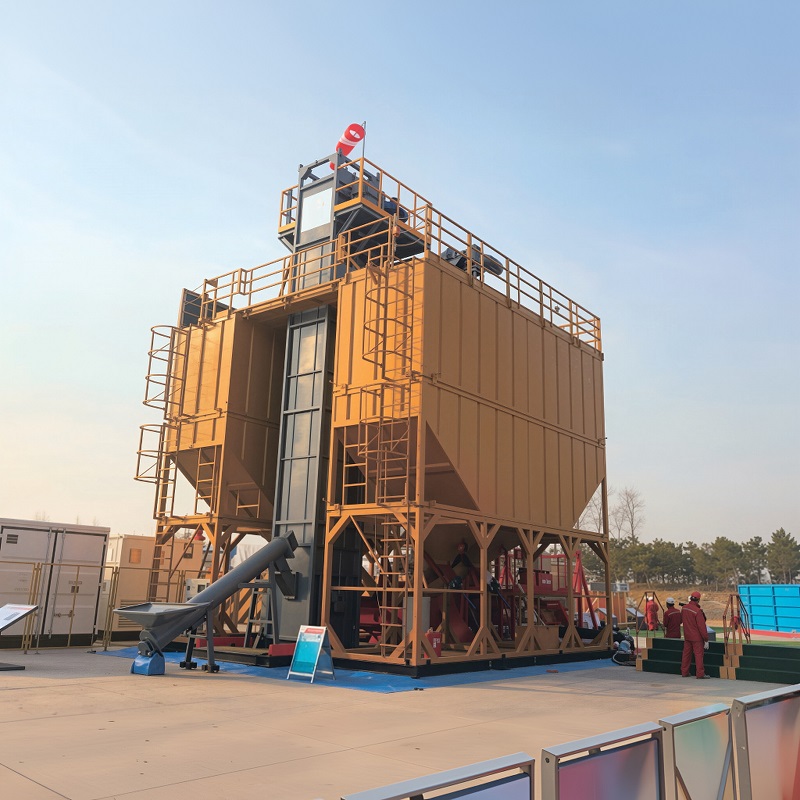
Automated continuous sand conveying units
For the sand bag supply mode, 180m3 double silos bucket elevator is equipped, using sand excavator or sand truck to supply sand;
Low level lifting sand, isolated according to dual silos and multiple media, meeting the requirements of adding 4 types of sand molds, and controlled by electric gate valves at the outlet;
Radar monitoring of sand surface height, intelligent warning, and automatic sand unloading in conjunction with sand blending, requiring only 3 people to complete the unloading and supply of sand.
Selection Notes for Automated continuous sand conveying
Automated continuous sand conveying should be reviewed against the actual operating duty and supporting equipment, not only the model name. Confirm pressure, displacement, fluid compatibility, mixing or pumping duty, power source and transport format before quotation.
Application Fit
When reviewing Automated continuous sand conveying units, the relevant application discussions include shale gas, tight oil, multi-stage stimulation and continuous pumping. The final application fit depends on the project specification, operating envelope and local requirements. Request the current technical file for Automated continuous sand conveying units and confirm pressure, displacement, pump arrangement, sand handling, blending and power supply. The product image is a visual reference; final selection should follow the project configuration and operating envelope.
Inquiry Data for Automated continuous sand conveying units
- Required treating pressure, displacement and expected pumping schedule.
- Pump count, drive method, continuous full-load duty and maintenance arrangement.
- Sand blending, proppant conveying, fluid mixing, manifold and control requirements.
- Electric, diesel or hybrid power availability and site connection limits.
- Shale gas, tight oil, multi-stage, desert or other stimulation conditions.
- Pumping curves, control architecture, inspection records and export documents.
Engineering Review and Delivery Scope
Before the stimulation package is confirmed, the buyer and supplier should align the configuration, interfaces, inspection scope, documentation package, spare-parts requirements, commissioning responsibilities and after-sales communication route for Automated continuous sand conveying units. A quotation should be evaluated against those details, not only against the headline product name.
For Automated continuous sand conveying units, send the operating conditions and available tender documents through the inquiry form. When contacting SJ about Automated continuous sand conveying units, include target pressure, rate, fluid system, power source and sand-handling scope. This allows the engineering team to identify the available drawings, parameter sheets and inspection documents for the configuration under review.
Product Parameters
Source values for automated continuous sand conveying units are transcribed from the matching category document. Confirm the final duty, pressure and interface requirements during technical review.
| Number of | Advantagesand | |
|---|---|---|
| Model | Sand transporting rate | |
| operators | disadvantages | |
| Spiral type | ||
| 50m/h | 5 persons | Wet sand, easily blocked |
| (first generation) | ||
| Caterpillar type | ||
| 90m /h | 5 persons | Low sand transporting rate |
| (second generation) | ||
| Bucket lift type | Automatic sand unloading in | |
| 150m/h | 3 persons | |
| (third generation) | conjunction with sand blending |
Send us the well conditions, target duty, quantity and destination. Our engineer will review the configuration with you.
Related procurement topics
Fracturing Equipment oilfield equipment supplier custom oilfield equipment international oilfield projects oil and gas production equipment